As an Amazon Associate I earn from qualifying purchases. This page may contain affiliate links.
Shopping for the best beginner Trek road bike can feel harder than it should. Trek builds road bikes for almost every type of rider, from first-time commuters to people training for a century ride, and the model lineup is wide enough to be confusing. This guide narrows things down. It focuses on the features that matter most in a first road bike: an upright-enough riding position, gearing that climbs without punishing your knees, a frame that fits your body, and components that are easy to maintain. The picks below are based on manufacturer specifications, long-standing brand reputation and patterns that owners commonly report, not on any hands-on testing by us. You will also find a buying guide, a short FAQ and advice on matching a bike to the kind of riding you actually plan to do.
Our Top Picks
Quick Comparison
| Product | Best for | Key feature |
|---|---|---|
| Trek Domane AL 2 | Beginners who want comfort on rough roads and long weekend rides | Endurance geometry with a relaxed, upright position |
| Trek Checkpoint ALR 4 | Riders who mix pavement, gravel paths and light off-road trails | Wider tires and disc brakes for all-weather control |
| Trek FX 3 Disc | Commuters and fitness riders who want a hybrid-style road feel | Flat handlebar with a sporty, efficient riding posture |
| Trek Domane SL 5 | Beginners who want a lighter, more refined ride as their fitness grows | Lightweight carbon frame with endurance geometry |
| Trek Emonda ALR 5 | Riders chasing speed and performance on paved roads | Aggressive race-inspired geometry with an aluminum frame |
| Trek Verve+ 2 | Riders who want pedal assist to make hills and longer rides easier | Integrated electric assist for an e-bike-style boost |
| Trek Domane AL 4 | Budget-minded riders who want a dependable everyday road bike | Aluminum frame with endurance geometry and reliable components |
Trek Domane AL 2
This is the model most beginners should look at first. It suits riders who want to cover distance comfortably without leaning far forward, and who will ride a mix of smooth and slightly broken pavement. The endurance frame geometry keeps your torso higher than a race bike would, which reduces strain on your lower back and neck during longer outings.
Key specs
- Aluminum frame with endurance geometry
- Drop handlebars with a relaxed reach
- Multi-speed drivetrain with a wide gear range for climbing
- Rim or disc brake setup depending on model year
Pros
- Upright, comfortable position that suits longer rides
- Wide gear range makes hills more manageable
- Handles imperfect road surfaces better than a racing frame
Cons
- Heavier than carbon-frame options
- Stock tires are not built for rough gravel
Trek Checkpoint ALR 4
The Checkpoint is a good fit for riders who want one bike that handles paved roads, packed gravel paths and rough shortcuts. It is built around a more adventurous setup than a standard road bike, so it is a good choice if your riding is more varied than racing or long pavement loops.
Key specs
- Aluminum frame with a relaxed, stable geometry
- Disc brakes for consistent stopping in wet conditions
- Wider tires than a typical road bike for added grip and comfort
- Multi-speed drivetrain suited to mixed terrain
Pros
- Versatile across pavement, gravel and light trails
- Disc brakes perform well in rain and grime
- Stable, confidence-inspiring handling for new riders
Cons
- Slower than a dedicated road bike on smooth pavement
- Heavier build than performance-focused models
Trek FX 3 Disc
The FX is a fitness-oriented bike that blends road efficiency with a flat handlebar. It is aimed at commuters and riders who mainly stay on pavement and want a more upright, easy-to-control position. If you find drop bars intimidating at first, this is a practical place to start.
Key specs
- Lightweight aluminum frame
- Flat handlebar for an upright, sporty posture
- Disc brakes for reliable stopping power
- Multi-speed drivetrain tuned for city and fitness riding
Pros
- Easy handling and an upright position for beginners
- Efficient on pavement for commuting and fitness
- Disc brakes add confidence in varied weather
Cons
- Less suited to aggressive, drop-bar riding styles
- Not designed for rough off-road use
Trek Domane SL 5
The SL 5 is a step up in weight and refinement. It is a good choice for a beginner who already knows cycling is a long-term habit and wants a lighter, more responsive bike that still keeps the comfortable endurance position. Because it costs more to buy and maintain, it makes most sense once you have a few months of riding behind you.
Key specs
- Carbon frame with endurance geometry
- Lighter overall weight than aluminum entry models
- Drop handlebars with a comfortable reach
- Multi-speed drivetrain with climbing-friendly gearing
Pros
- Noticeably lighter, which helps on climbs
- Vibration-damping frame smooths rough pavement
- Comfortable position for long days in the saddle
Cons
- Higher up the lineup in complexity and cost of ownership
- Carbon frames need careful handling around clamps and stands
Trek Emonda ALR 5
The Emonda is a performance-oriented road bike built for riders who want speed and a lower, more aggressive riding position. It suits a beginner who is already fairly fit and mostly rides paved roads, but it is less forgiving than the endurance models above.
Key specs
- Lightweight aluminum frame with race-inspired geometry
- Drop handlebars set for a lower, aerodynamic posture
- Multi-speed drivetrain with a close-ratio cassette
- Rim brakes or disc brakes depending on model year
Pros
- Responsive, quick handling for paved-road riding
- Efficient and lively on flat terrain and fast descents
- Light enough to feel rewarding on climbs
Cons
- The lower position can be tiring for a rider new to drop bars
- Less comfortable on rough surfaces than endurance models
Trek Verve+ 2
The Verve+ is an electric hybrid that adds pedal assist to a comfortable, upright frame. It is a sensible pick for beginners who live in hilly areas, carry things on commutes, or want to ride longer distances without arriving exhausted. Pedal assist is a real aid, but it does not replace building your own fitness, so ride within your comfort level.
Key specs
- Integrated pedal-assist motor with a rechargeable battery
- Upright, comfortable riding position
- Multiple assist levels for different terrain
- Disc brakes for consistent stopping
Pros
- Pedal assist makes hills and headwinds more manageable
- Comfortable, upright position for relaxed rides
- Good choice for commuting without heavy sweat
Cons
- Heavier than a standard road bike because of the motor and battery
- Battery range and charging need to be planned around your routes
Trek Domane AL 4
This is a practical, lower-tier endurance road bike for riders who want a dependable first machine without paying for premium parts. It delivers the same basic comfort-focused geometry as the AL 2 with a simpler component set. It is a strong choice for riders who know they will ride regularly but do not yet need high-end performance.
Key specs
- Aluminum frame with endurance geometry
- Drop handlebars and a relaxed riding position
- Multi-speed drivetrain for everyday gearing
- Rim or disc brake options depending on model year
Pros
- Comfortable geometry at a more approachable tier
- Simple, durable components that are easy to service
- Good all-round choice for training and weekend rides
Cons
- Basic components may be upgraded later by serious riders
- Heavier than higher-tier models in the same family
Buying Guide
Before you compare models, decide what the bike has to do for you. A first road bike is not a single-purpose tool. It has to fit your body, your riding routes and your willingness to keep riding after the novelty fades. Start with these criteria, and the list above will sort itself into a shorter list quickly.
Selection criteria
- Riding position: Endurance models keep you more upright. Performance models lower you into a more aerodynamic stance.
- Terrain: Smooth pavement favors slim tires. Mixed roads and paths favor wider tires and disc brakes.
- Gearing: A wide gear range makes hills manageable while you build fitness.
- Frame material: Aluminum is durable and forgiving of rough handling. Carbon is lighter and more vibration-damping but costs more to own.
- Fit: A bike that does not fit will feel bad no matter how good its components are.
Important features
For a first road bike, prioritize a comfortable riding position, reliable brakes, and a gear range that lets you spin up hills at a steady cadence. Disc brakes are a meaningful advantage if you ride in rain or dust, because they keep their stopping power better than rim brakes in wet conditions. Puncture-resistant tires are also worth considering if you ride on debris-heavy streets.
Specs to check
- Frame size, measured by seat tube length and reach, not by a rider height chart alone
- Lowest gear ratio, since a lower gear makes steep climbs much easier
- Maximum tire width, which affects both comfort and what surfaces you can ride
- Brake type, rim or disc
- Weight, which matters more on climbs than on flat ground
Choosing by need
- If you mostly ride pavement for fitness: start with an endurance model like the Domane AL 2 or AL 4.
- If you want one bike for paved roads and rough paths: look at the Checkpoint ALR 4.
- If you commute and prefer a flat bar: the FX 3 Disc is a comfortable choice.
- If you plan to ride a lot and want a lighter frame: the Domane SL 5 is worth the step up once your fitness and habits are established.
- If you already ride fast and want a sharper bike: consider the Emonda ALR 5.
- If hills or distance are your main barrier: the Verve+ 2 can help you build confidence on longer routes.
Things to watch out for
- Buying a bike that is too large because it seems to “grow into.” A bike that is too big is harder to control and less safe.
- Choosing a racing geometry for comfort-focused riding, which can strain your back and wrists.
- Ignoring fit adjustments. Saddle height and handlebar reach can change how the bike feels dramatically.
- Skipping helmet and basic maintenance tools. A quality helmet and a pump are essential from day one.
If you are unsure about fit or any health-related concerns, such as knee or back pain, consult a qualified bike fitter or your doctor before committing to a model.
For more background, see How to Choose Your First Road Bike: A Beginner’s Guide and Road Bikes for Beginners: Endurance Geometry, Gearing and Sizing. If you are still deciding between categories, Road Bike vs Hybrid Bike: Which Is Better for Beginners? is a useful comparison. Those who plan to add a little more comfort can also review Best Padded Bike Shorts and 20 Best Bike Saddles for Beginners.
FAQ
Is a Trek road bike good for a complete beginner?
Yes. Trek offers several endurance and fitness models with upright geometry, wide gear ranges and reliable components that suit new riders. The right model depends on your terrain, fitness and budget, so start with the riding position that feels most comfortable to you.
What is the difference between an endurance and a race road bike?
Endurance bikes have a taller head tube and a shorter reach, which keeps you more upright. Race bikes are lower and more aggressive, which improves aerodynamics but can be harder on the back, neck and wrists during long rides.
Should a beginner choose disc brakes or rim brakes?
Disc brakes generally perform better in wet and dirty conditions and require less hand strength to modulate. Rim brakes are lighter and simpler, and many beginners ride them without trouble. If you ride in rain often, disc brakes are the safer choice.
What frame size should I get?
Frame sizing depends on your height, inseam and arm length, and different brands use different size charts. Visit a local shop for a professional fit whenever possible. Test-riding a few sizes is the most reliable way to confirm the right one.
Do I need clipless pedals on a beginner road bike?
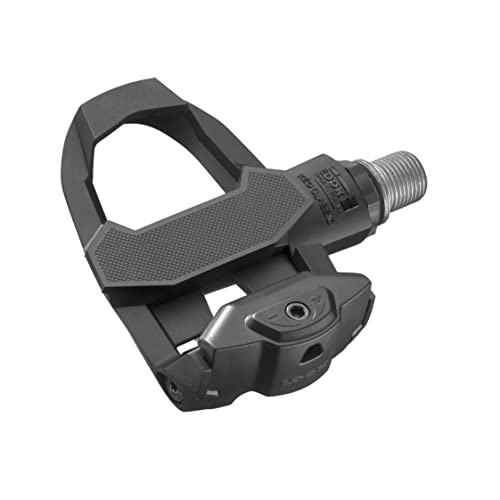
No. Many beginners start with flat pedals and cycling shoes that grip well enough. Clip-in pedals can improve efficiency once you are comfortable, and 7 Best Clip-In Bike Pedals for Beginners covers the options when you are ready.
Is an e-bike a good alternative for a beginner road rider?
An e-bike can be a good choice if hills, distance or fatigue are the main barriers. Pedal assist makes riding more accessible, but it is still worth building your own fitness. The Verve+ 2 is one example of this category in the Trek lineup.
How often should a beginner ride?
Most beginners do well starting with three short rides per week and adding distance gradually. How Often Should a Beginner Ride a Bike Each Week? explains a sensible progression and how to avoid overtraining.
Conclusion
For most beginners, the best starting point is an endurance model such as the Domane AL 2 or Domane AL 4, because the upright position and forgiving frame suit the way new riders actually use their bikes. If your routes include gravel or rough paths, the Checkpoint ALR 4 offers more versatility. Commuters who prefer a flat bar will be comfortable on the FX 3 Disc. Riders who already know they will stick with cycling and want a lighter frame can look at the Domane SL 5, while those with fitness and speed goals may prefer the Emonda ALR 5. If hills or distance are the main obstacle, the Verve+ 2 can make the early months far more enjoyable. Whichever you choose, prioritize a professional fit and a test ride before you buy.