As an Amazon Associate I earn from qualifying purchases. This page may contain affiliate links.
Beginner road bike training is about building steady fitness, learning to handle a road bike confidently and gradually increasing how far and how long you ride, without burning out or getting hurt. If you follow a simple progression, you can go from short neighborhood loops to a comfortable 30 to 40 mile ride within a few months. This guide walks through the basics: setting a realistic goal, structuring your weekly rides, using effort levels instead of speed, and recovering properly.
What Beginner Road Bike Training Should Achieve
Before you plan a single ride, be clear about what you want out of training. Most new road riders want one of three things: to ride comfortably on weekends, to complete a organized event such as a charity ride or a century, or simply to get fit and enjoy being outdoors. Each goal calls for a slightly different plan, but all of them share the same foundation.
Shopping for one? See our guide: Is a Road King a Good Beginner Bike? Review and Buying Advice.
For the first eight to twelve weeks, your priorities should be:
- Getting used to clipping in and out, braking, shifting and riding in a straight line at low speed.
- Building aerobic endurance so that you can talk in full sentences at most of your effort.
- Establishing a consistent routine of three to four rides a week.
- Learning how your body responds to load, so you can spot fatigue before it becomes a problem.
Speed and power come later. If you are new to the sport, do not worry about average speed numbers at all for the first month. Focus on finishing rides feeling better than when you started.
Step 1: Get Your Bike and Setup Ready
Training on a bike that does not fit you will slow your progress and can cause knee, back or wrist pain. Before starting any structured plan, confirm that the bike is sized correctly and set up for your body. If you are still deciding on equipment, the guide on How to Choose Your First Road Bike: A Beginner’s Guide covers sizing in more detail. You can also review Road Bikes for Beginners: Endurance Geometry, Gearing and Sizing to understand why an endurance-style frame suits most new riders.
Check these basics before your first training week:
- Saddle height: With your heel on the pedal at the bottom of the stroke, your leg should be nearly straight. When the ball of your foot is on the pedal, expect a slight bend of about 25 to 35 degrees at the knee.
- Tire pressure: Road tires typically list a range printed on the sidewall. Starting around the middle of that range is a sensible choice for most beginners on public roads.
- Brakes and shifting: Test both brake levers and make sure the bike shifts smoothly through all gears without rubbing or skipping.
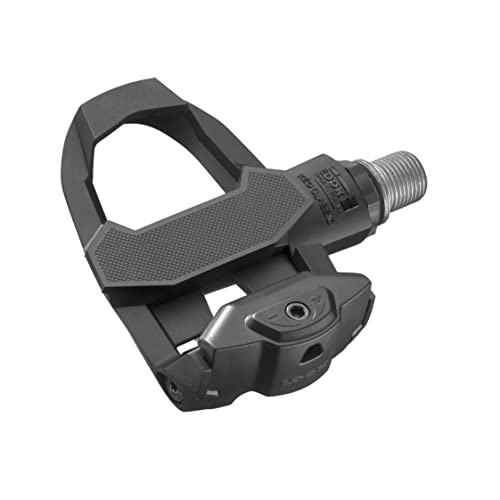
- Pedals and shoes: If you use clipless pedals, practice clipping in and out while stationary, holding a wall or fence for balance. Our guide to Best Beginner Road Bike Pedals: How to Choose the Right Pair explains the options.
Step 2: Build a Weekly Routine
Consistency matters more than any single hard ride. A common starting pattern for adults who can ride three or four days per week is shown below. Adjust it based on your schedule, but keep at least one rest day between your longer rides.
| Day | Session | Typical Duration | Effort Level |
|---|---|---|---|
| Monday | Rest or easy walk | 30 minutes | Very easy |
| Tuesday | Short easy ride | 30 to 45 minutes | Easy, conversational |
| Wednesday | Rest or cross-training | Varies | Light |
| Thursday | Short ride with a few brief efforts | 45 to 60 minutes | Mostly easy |
| Friday | Rest | None | None |
| Saturday | Long ride | 60 minutes, building over weeks | Easy to moderate |
| Sunday | Rest or light spin | 20 to 30 minutes | Very easy |
For a more detailed progression that increases distance week by week, see Beginner Road Bike Training Program: A Step-by-Step Plan for Your First 8 Weeks. If you want a broader view of how often to ride at the start, How Often Should a Beginner Ride a Bike Each Week? is a useful companion.
Start With Time, Not Distance
Plan your rides by duration rather than mileage at first. Riding for 45 minutes means something consistent regardless of terrain, wind or traffic. Once you can comfortably ride for an hour, you can begin to add distance by lengthening the long ride by about 10 percent per week, a common rule of thumb for building endurance without overloading your body.
Step 3: Learn to Ride by Effort, Not Speed
New riders often push too hard on every ride because they want to see their average speed improve. A better approach is to use perceived effort. Most of your training should be at a level where you can speak in full sentences. This is sometimes called zone 2 effort, and it builds the aerobic base that makes harder efforts possible later.
You can use a simple scale to check yourself:
- Easy (about 3 out of 10): You can chat without effort and could ride like this for hours.
- Moderate (about 5 to 6 out of 10): You can speak in short sentences. Breathing is deeper but controlled.
- Hard (about 8 out of 10): You can only say a few words at a time. Use this sparingly, once or twice a week at most.
A heart rate monitor or a power meter can help, but they are not required. Many beginners do very well using perceived effort alone. If you do buy a computer, the overview in Beginner’s Guide to Bike Computers: Essential Features to Consider will help you choose one that is worth the investment.
Step 4: Build Skills Alongside Fitness
Fitness is only part of training. A confident rider handles traffic, corners and group situations safely, and those skills need practice too. Spend part of one ride each week on technique:
- Practice braking hard and smoothly in an empty parking lot, using both brakes together. Most braking power comes from the front brake, but progressive pressure on both avoids a skid.
- Ride in a straight line while looking ahead, not down at the front wheel.
- Practice shifting before you need to. Ease off the pedals slightly as you shift to reduce chain stress.
- Work on cornering at slow speed, keeping your weight centered and your inside pedal up. The guide on Safe Bike Cornering Techniques for Beginner Cyclists covers this in more depth.
Step 5: Recover and Adjust
Training makes you stronger during rest, not during the ride itself. Sleep, food and easy days all matter. If you feel unusually tired, sore joints that do not ease after a day, or a drop in motivation, reduce your load for a few days. Adults returning to exercise after a long break should also check with a doctor before starting a new program, especially if they have heart, joint or blood pressure concerns.
Track your rides in a simple log or app. Note the duration, how you felt on a 1 to 10 scale, and anything unusual such as pain or poor sleep. Patterns will show you when to push and when to back off.
Common Mistakes to Avoid
- Riding too hard too often. Most beginners do their easy rides too fast. Slow down until you can comfortably talk.
- Increasing distance too quickly. Jumping from 10 to 30 miles in one week invites soreness and injury.
- Skipping rest days. Recovery is part of the plan, not a break from it.
- Ignoring bike fit. Knee or back pain is often a setup problem, not a fitness problem.
- Riding without a helmet or lights. Protect yourself on every ride, including early mornings and evenings.
- Comparing yourself to others. Experienced riders in group rides have years of training behind them.
Tips for Staying on Track
- Schedule rides in your calendar the same way you would a work meeting.
- Pick routes with light traffic and a mix of flat and gentle hills.
- Ride with a friend or a beginner group ride when you can. Social rides keep motivation high.
- Carry a spare tube, tire levers and a pump. A flat on your first long ride should not end your day.
- Eat a small snack and drink water before rides longer than 45 minutes.
- Repeat the plan for at least eight weeks before judging your progress.
Recommended gear
A few pieces of equipment make training safer and more comfortable. Start with these:
- Cycling helmet: A properly fitted helmet is the most important safety item you can buy. Read Bike Helmet Types: Road, Mountain, Commuter and Kids’ Helmets to match a style to your riding. View on Amazon
- Portable floor pump with gauge: Keeping tires at the right pressure improves comfort and reduces flats. View on Amazon
- Saddle bag with tire levers and a multitool: Handling a flat on the road keeps small problems from ending your ride. View on Amazon
- Padded cycling shorts: A good chamois reduces saddle discomfort as your rides get longer. View on Amazon
For a fuller list of maintenance items, see Bike Maintenance Tools for Beginners: Pumps, Levers, Multitools and Stands.
FAQ
How long does it take to get fit enough for beginner road rides?
Most adults who ride three times a week can comfortably handle 30 to 40 miles within two to four months. Progress depends on your starting fitness, sleep, and how consistently you ride.
Should I ride every day as a beginner?
No. Three to four rides per week with rest days in between is a sound approach for most beginners. Daily riding is possible later, but it is not necessary to improve.
How far should my first long ride be?
Many beginners start with about 20 to 30 minutes of riding and build toward 60 minutes or more over several weeks. Time-based planning is easier than tracking miles at first.
Do I need a heart rate monitor for training?
No. Perceived effort, using the talk test, works well for most new riders. A heart rate monitor can add useful information once you are comfortable with the basics.
Is it normal to be sore after the first few rides?
Some soreness in the legs, lower back and sit bones is normal early on. Sharp pain, numbness, or joint pain that persists is not, and you should stop and get it checked by a qualified professional.
How do I avoid knee pain when starting out?
Check saddle height first, keep your cadence smooth rather than grinding in a high gear, and avoid long hard efforts until your legs adapt. If pain continues, consult a physical therapist or bike fitter.
Can I train on a hybrid bike instead of a road bike?
Yes, you can build fitness on a hybrid. A road bike is lighter and more efficient, but the training principles are the same. Road Bike vs Hybrid Bike: Which Is Better for Beginners? compares the two in detail.
Conclusion
Beginner road bike training works best when it is patient and consistent. Set a clear goal, ride three or four times a week at an easy effort, and add distance slowly. Pay attention to recovery, fit your bike properly, and practice your skills alongside your fitness. Within a few months, the rides that once felt difficult will start to feel like your normal weekend.