As an Amazon Associate I earn from qualifying purchases. This page may contain affiliate links.
A beginner road bike training plan gives you a clear path from your first short spin to comfortable rides of 30 to 50 miles over roughly eight to twelve weeks. This guide explains how to set a realistic goal, build weekly volume without burning out, use effort levels instead of guesswork, and recover properly. By the end, you will have a schedule you can follow and a way to judge whether it is working.
Start by Setting a Realistic Goal
Before you plan any rides, decide what you want the training to produce. A good beginner goal is specific and measurable, such as “ride 40 miles without stopping by June” or “complete a 25-mile group ride on flat terrain.” Vague goals like “get fit” make it hard to know when to progress or when to back off.
Be honest about your starting point. If you currently ride a few miles a week or none at all, your first month should look very different from a runner who already covers 20 miles a week on foot. For guidance on how often a new rider should be on the bike, see How Often Should a Beginner Ride a Bike Each Week?.
Questions to Answer Before You Begin
- How many days per week can I realistically ride?
- What is the longest ride I have done in the last six months?
- Do I have a target event or date?
- Is my bike set up to fit me? If not, read A Practical Guide to Road Bike Sizing and Fit first.
Gear and Preparation You Need
You do not need much to begin, but a few basics make training safer and more efficient. Check that your bike is in working order, tires are inflated to the pressure printed on the sidewall, and the brakes stop the bike without rubbing the rim.
- A road bike that fits you, or a comfortable alternative if you are still deciding. The comparison in Road Bike vs Hybrid Bike: Which Is Better for Beginners? can help.
- A helmet that meets CPSC standards, sized so it sits level and snug.
- A pump, spare tube, tire levers and a multitool so you can handle a flat.
- A bike computer or phone app to record time, distance and heart rate.
- Padded shorts and gloves for longer sessions.
For a fuller list of roadside tools and how to use them, see Bike Maintenance Tools for Beginners: Pumps, Levers, Multitools and Stands.
The Core Principles Behind a Beginner Plan
Almost every sound beginner plan follows three ideas. First, increase total weekly time gradually. Second, keep most rides at an easy, conversational effort. Third, schedule rest days and at least one easier week in every four. Riders who skip these principles usually end up with sore knees, sore saddle areas or a loss of motivation by week four.
Use Effort Levels Instead of Speed
Speed depends on terrain, wind and bike type, so it makes a poor training target for beginners. Use the talk test instead. On an easy ride you should be able to speak in full sentences. On a moderate ride you can speak in short phrases. Hard efforts leave you able to say only a word or two. Most of your riding in the first eight weeks should feel easy.
Learn to Shift Before You Need To
Good gear use reduces fatigue. Shift to an easier gear before a climb rather than halfway up it, and keep your cadence roughly between 75 and 95 revolutions per minute. The guide at When to Shift Gears on Your Bike for Smooth Riding covers the habit in more detail.
An Eight-Week Beginner Schedule
The table below is a sample progression for someone riding three to four days a week. Adjust distances down if you are starting from nothing, and repeat a week if it feels too hard. The structure matters more than the exact numbers.
| Week | Rides per Week | Longest Ride | Total Weekly Time | Focus |
|---|---|---|---|---|
| 1 | 3 | 10 miles | 1 hour 30 minutes | Comfort, bike fit, braking |
| 2 | 3 | 12 miles | 1 hour 45 minutes | Gear shifting, cadence |
| 3 | 3 | 15 miles | 2 hours | Hills, easy climbing |
| 4 | 3 | 13 miles | 1 hour 45 minutes | Recovery week |
| 5 | 3 | 20 miles | 2 hours 30 minutes | Building endurance |
| 6 | 3 | 25 miles | 3 hours | Fueling on the bike |
| 7 | 3 | 30 miles | 3 hours 30 minutes | Group riding skills |
| 8 | 2 | Test ride of 35 to 40 miles | 3 hours | Taper and goal test |
What a Typical Ride Looks Like
- Five minutes of easy spinning in a low gear to warm up.
- Main section at conversational effort, with occasional short climbs.
- Five minutes of easing down before stopping.
- Eat and drink within the first hour, and carry water for anything over 45 minutes.
Cross-Training and Rest
Walking, swimming, yoga or light strength work on your off days improve recovery without stressing your legs. Two sets of bodyweight squats, lunges and glute bridges, done twice a week, help support knees and hips. Take at least one full rest day each week. If you feel persistent pain, stop riding that day and consult a physician or physical therapist rather than pushing through it.
Measuring Progress
Keep a simple log with date, distance, time, how the ride felt and any aches. Check it every two weeks. If your average effort feels easier at the same heart rate or pace, you are adapting. If fatigue, poor sleep or irritability build up, insert an extra easy week. A bike computer with heart-rate support makes this easier, and the basics are covered in Beginner’s Guide to Bike Computers: Essential Features to Consider.
Common Mistakes
- Going too hard on every ride. Most beginner rides should feel easy. Hard days belong in the plan only once you are comfortable.
- Increasing distance too fast. Keep weekly volume growth to roughly 10 percent or less.
- Ignoring bike fit. Saddle height and reach errors cause knee and back pain. Revisit fit if pain appears.
- Skipping recovery weeks. Fatigue accumulates quietly. Scheduled easier weeks prevent it.
- Riding in the largest gear. Big gears strain knees. Practice spinning smoothly in a lighter gear.
- Neglecting safety. Ride predictably, signal turns and practice cornering in low-traffic areas. See Safe Bike Cornering Techniques for Beginner Cyclists.
Tips for Staying Consistent
- Schedule rides like appointments and keep the same two or three time slots each week.
- Ride with a friend or local club for the first few weeks.
- Vary routes so the plan does not feel repetitive.
- Eat a light snack about 60 to 90 minutes before a ride, and rehydrate afterward.
- If you plan a bigger goal later, such as a century ride, treat this plan as the foundation and build from there.
Recommended gear
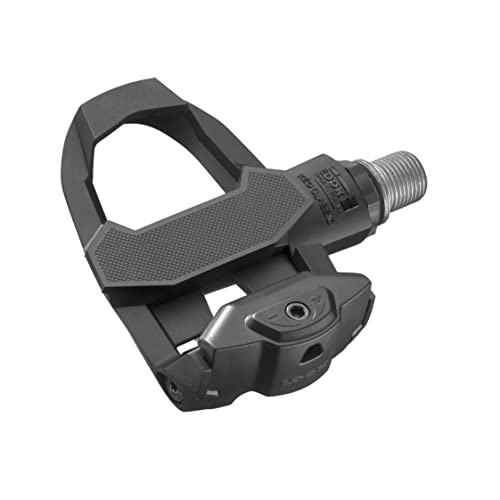
A well-fitted helmet is the most important item, and the right type is covered in Bike Helmet Types: Road, Mountain, Commuter and Kids’ Helmets. Padded cycling shorts reduce saddle discomfort on rides longer than an hour. A bike computer helps you track the plan without guessing. Clip-in pedals can improve pedaling efficiency once you are comfortable on the bike; compare options in 7 Best Clip-In Bike Pedals for Beginners.
- Bike helmet – protects your head in a fall and should be replaced after a significant impact. View on Amazon
- Padded cycling shorts – reduce pressure and chafing on longer rides. View on Amazon
- Bike computer – records distance, time and cadence so you can follow the schedule. View on Amazon
- Portable pump – lets you reinflate tires after a puncture or pressure check at home. View on Amazon
FAQ
How long does a beginner road bike training plan take?
Most beginner plans run six to twelve weeks. Eight weeks is a common length for building from short rides to 30 or 40 miles, though people starting from a very low base may need longer.
How many days a week should I ride as a beginner?
Three days per week is a reasonable starting point, with at least one rest day between harder sessions. Adjust based on how your body responds.
Should I ride every day?
Daily riding is not necessary for beginners and can lead to overuse problems. Two to four days a week, with rest or cross-training on other days, works well for most adults.
What heart rate should I aim for on easy rides?
Easy rides should keep you able to talk comfortably. Many riders estimate this at roughly 60 to 70 percent of their maximum heart rate, but the talk test is more reliable than a fixed number.
Do I need a road bike to follow this plan?
No. A hybrid or other comfortable bike can work, though a road bike is more efficient for longer distances. Compare the two in the guide to choosing between them.
What should I eat before and after a ride?
Eat a light, carbohydrate-based snack one to two hours before riding, such as a banana or toast. After longer rides, have a meal that includes protein and carbohydrates. If you have a medical condition or dietary concern, consult a registered dietitian.
What if my knees hurt when I ride?
Check your saddle height and cleat position first, then reduce gearing and distance. If pain persists beyond a few days, stop riding and see a doctor or physical therapist.
Conclusion
A beginner road bike training plan works because it builds volume gradually, keeps most effort easy and schedules recovery. Start with a specific goal, use the talk test to guide intensity, and follow an eight-week progression like the one above. Track your rides, adjust when fatigue builds, and enjoy the steady gains in comfort and confidence.