As an Amazon Associate I earn from qualifying purchases. This page may contain affiliate links.
A beginner road bike training program gives you a structured way to go from short, shaky rides to comfortable distance on pavement. Over roughly eight weeks, you will build aerobic endurance, learn how to pace yourself, and develop the bike handling skills that make longer rides feel safe. This guide walks through the setup, the weekly progression, and the mistakes that most often slow new riders down.
What a Beginner Road Bike Training Program Should Accomplish
Before you start, be clear about the goal. For most new road riders, the first target is not speed. It is the ability to ride 45 to 60 minutes at a conversational effort, then build from there to a 30-mile ride without needing to stop and recover for an hour afterward. A good program focuses on three things: consistency, gradual increases in duration, and a mix of easy and slightly harder efforts so your body adapts without getting overwhelmed.
If you have not yet picked a bike, it helps to understand the options first. The guide to How to Choose Your First Road Bike: A Beginner’s Guide covers the decision in detail, and Road Bikes for Beginners: Endurance Geometry, Gearing and Sizing explains why an endurance-oriented frame is usually the more comfortable starting point.
Step 1: Get Your Bike and Fit Ready
A training plan only works if your bike fits and works properly. Discomfort from a poor setup will cause you to skip rides, and that undoes the progress you are trying to make. Start with a few basics:
- Frame size: You should be able to stand over the top tube with about one to two inches of clearance. Your reach and stack should put you in a relaxed but not stretched position. For details, see A Practical Guide to Road Bike Sizing and Fit.
- Saddle height: With the pedal at the bottom of its stroke, your knee should have a slight bend, roughly 25 to 35 degrees. Your hips should not rock side to side as you pedal.
- Tire pressure: Check the sidewall for the recommended range. Many riders on 25 to 28 mm tires run somewhere in the 80 to 100 psi range, but your body weight and road surface matter, so adjust as needed.
- Brakes and drivetrain: Confirm the brakes stop the bike firmly and the chain shifts cleanly across the cassette.
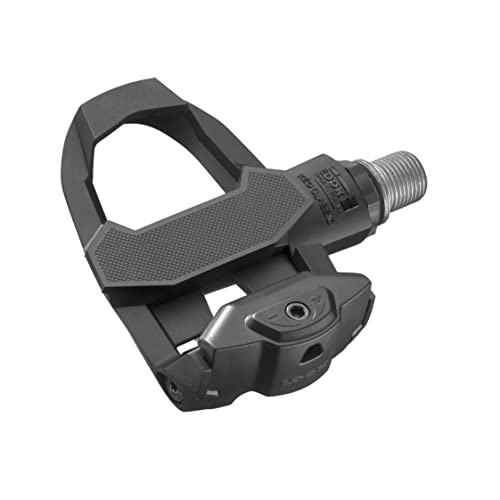
If you plan to use clip-in pedals, practice clipping in and out in a grassy area or driveway before your first road ride. 7 Best Clip-In Bike Pedals for Beginners lists common options, and clipping practice is worth doing before you ever ride in traffic.
Step 2: Know the Basic Training Zones
You do not need a power meter or heart rate monitor to train effectively. Use the talk test instead:
- Easy (Zone 1-2): You can speak in full sentences without gasping. This should make up most of your riding.
- Moderate (Zone 3): You can speak in short phrases. This is a steady, work-focused effort.
- Hard (Zone 4-5): You can only say a few words at a time. Use these sparingly, mainly in short intervals.
Most beginner programs are built around roughly 80 percent easy riding and 20 percent harder work. New riders often reverse this and ride too hard too often, which leads to fatigue and frustration.
Step 3: Follow the Eight-Week Progression
The table below shows a sample progression for a rider who can currently ride about 20 minutes without stopping. Adjust the durations if you are starting from a lower or higher base. Take a rest day between rides, and plan one full rest day per week.
| Week | Rides per Week | Typical Ride Length | Key Focus |
|---|---|---|---|
| 1 | 3 | 20 to 30 min | Comfort, cadence, shifting |
| 2 | 3 | 30 to 40 min | Steady easy pace |
| 3 | 3 | 40 to 50 min | Add 2 x 3-min moderate efforts |
| 4 | 3 | 45 to 60 min | Easy base ride plus hill practice |
| 5 | 3 to 4 | 50 to 70 min | Two moderate blocks of 5 min |
| 6 | 3 to 4 | 60 to 80 min | Longer steady ride, one longer weekend ride |
| 7 | 3 to 4 | 70 to 90 min | Consistency and fueling practice |
| 8 | 3 | Long ride of 30 to 40 miles | Pacing a full distance ride |
How to Structure Each Ride
- Warm up (5 to 10 minutes): Ride easily, shifting through several gears to get your legs moving.
- Main set: Ride at an easy, conversational pace unless the week calls for a moderate block.
- Cool down (5 minutes): Spin gently and let your heart rate settle before stopping.
Cadence Practice
Aim for a cadence between 80 and 95 revolutions per minute. Higher cadence with lighter gears spares your knees and lets you ride longer without fatigue. Shift to an easier gear before you slow down, not after. The guide When to Shift Gears on Your Bike for Smooth Riding explains the timing in more detail.
Hills and Climbing
Choose a short, moderate hill in Week 4. Stay seated, keep your upper body relaxed, and pick a gear that lets you maintain a steady cadence. If you have to stand, do it briefly and sit back down as soon as you can.
Step 4: Build Safe Handling Skills
Endurance matters, but so does control. Practice braking in an empty parking lot, looking over your shoulder without drifting, and taking corners at a slightly reduced speed. Safe Bike Cornering Techniques for Beginner Cyclists covers the fundamentals. Always ride with a helmet, and review Bike Helmet Types: Road, Mountain, Commuter and Kids’ Helmets if you are not sure what fits your riding.
Step 5: Fuel and Recover
For rides under 60 minutes, water is usually enough. For longer rides, aim to drink regularly, roughly one bottle per hour in moderate conditions, and eat something with carbohydrates such as a banana or energy bar. Sleep and rest days are where adaptation actually happens. If you feel persistent fatigue, unusual soreness or joint pain, reduce your training load and talk to a doctor or sports medicine professional before continuing.
Common Mistakes
- Riding too hard on easy days. If you cannot hold a conversation, slow down.
- Adding distance too quickly. Increase total weekly time by no more than about 10 percent.
- Skipping rest days. Fatigue builds quickly in new riders, and recovery is part of the plan.
- Ignoring bike fit. Knee pain or numb hands usually point to a setup problem, not a fitness problem.
- Tracking too many numbers. A simple log of ride time and how you felt is enough at first.
- Riding on the same route every time. Varying terrain builds more well-rounded skills.
Tips for Staying on Track
- Schedule rides on your calendar like appointments.
- Ride with a friend or local club for accountability.
- Keep a basic log with date, duration, distance and effort level.
- Plan a route with a known bailout point in case you run out of energy.
- Repeat a week if you feel worn down rather than pushing ahead.
Recommended Gear
A few items make the training process smoother and safer. Keep these practical and focused on the basics.
- Bike computer: A basic unit that tracks time, distance and cadence helps you follow the weekly plan without guesswork. View on Amazon
- Floor pump with pressure gauge: Accurate tire pressure improves comfort and handling, and you will use it on every ride. View on Amazon
- Multitool: A compact tool with common hex keys and a chain tool lets you handle roadside adjustments. View on Amazon
- Indoor trainer: A stationary trainer lets you complete the moderate blocks in bad weather. View on Amazon
FAQ
How long does a beginner road bike training program take?
An eight-week program is a common starting point. Many beginners need longer to reach the 30- to 40-mile range comfortably, so treat the eight weeks as a foundation rather than a finish line.
How many days per week should a beginner ride?
Three to four rides per week, with at least one full rest day, works well for most adults. For more guidance, see How Often Should a Beginner Ride a Bike Each Week?.
Do I need a heart rate monitor?
No. The talk test is reliable for beginners. A heart rate monitor can be useful later, but it is not required to follow this plan.
What cadence should a beginner aim for?
Somewhere around 80 to 95 rpm is a practical range. Use gears that let you pedal smoothly rather than grinding in a heavy gear.
Is a road bike better than a hybrid for training?
A road bike is more efficient for distance and speed on pavement, while a hybrid is more upright and can be more comfortable for some riders. Road Bike vs Hybrid Bike: Which Is Better for Beginners? compares the two in detail.
What should I do if my knees hurt?
Check your saddle height and cleat position first, then reduce gear size and cadence. If pain persists, stop riding that week and consult a doctor or physical therapist.
How do I know when to move up to the next week?
Move forward when the current week feels manageable and you recover within a day or two. If you feel exhausted, repeat the week.
Can I follow this plan on an indoor trainer?
Yes, especially for the moderate blocks. Keep the trainer sessions shorter than outdoor long rides, and vary your position and cadence to stay engaged.
Conclusion
A well-built beginner road bike training program turns uncertain rides into steady progress. Get your bike fitted, follow the weekly progression, keep most of your riding easy, and prioritize rest. Within about eight weeks, most consistent beginners can handle a 30- to 40-mile ride with confidence and a clear plan for what comes next.