
 By Claire Whitaker
Updated November 2026
A beginner road bike buying guide is most useful when it helps you decide what to learn before and after you buy. This list compares six books that new riders often look at while they choose a first road bike, learn basic maintenance and plan their early rides. Because the products here are books rather than bikes, the selection criteria focus on practical value for a beginner: how clearly each book explains maintenance and fit, whether it covers buying your first bike, how well it suits road riding versus mountain riding, and how much of the content is relevant to someone just starting out. Each pick is based on specifications, publisher descriptions and patterns in owner feedback, not on hands-on testing.
Our top picks at a glance
- 1
 TOP CHOICEBest overallThe Bicycling Guide to Complete Bicycle Maintenance & RepairView on Amazon
- 2
 TOP CHOICEBest for first-time buyersEvery Woman's Guide to CyclingView on Amazon
- 3
 TOP CHOICEBest for mountain bike ownersZinn and the Art of Mountain Bike Maintenance, 7th EditionView on Amazon
- 4
 Best for e-bike shoppersBefore You Buy Your First E-BikeView on Amazon
- 5
 Best for route planningLonely Planet Epic Bike Rides of the AmericasView on Amazon
- 6
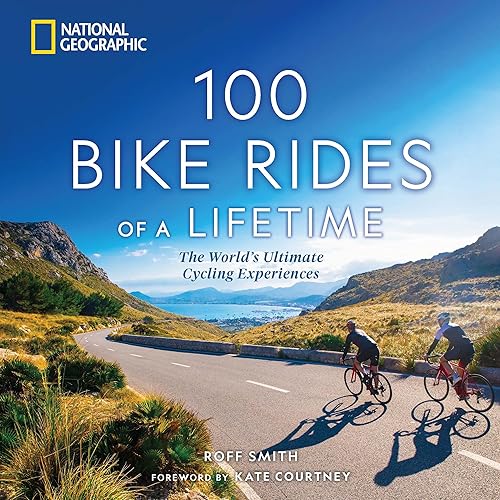 Best for inspiration100 Bike Rides of a LifetimeView on Amazon
Our Top Picks
| Product | Best for | Key feature |
|---|---|---|
| The Bicycling Guide to Complete Bicycle Maintenance & Repair | Beginners who want to maintain a road bike themselves | Covers both road and mountain bikes in one volume |
| Every Woman’s Guide to Cycling | First-time buyers and new riders of any background | Walks through buying a first bike through early racing |
| Zinn and the Art of Mountain Bike Maintenance, 7th Edition | Riders who also plan to ride off-road | Step-by-step repair procedures for mountain bike components |
| Before You Buy Your First E-Bike | Shoppers considering an electric bike | Covers motor types, range, battery safety and bike fit |
| Lonely Planet Epic Bike Rides of the Americas | Riders who want organized routes and travel tips | 200 routes with maps and difficulty levels |
| 100 Bike Rides of a Lifetime | Riders looking for destination ideas | Curated ride descriptions with photography |
The Bicycling Guide to Complete Bicycle Maintenance & Repair
The Bicycling Guide to Complete Bicycle Maintenance & Repair: For Road & Mountain Bikes
Best for: Beginners who want to maintain a road bike themselves
This is the most directly useful book on the list for someone who has just bought a road bike and wants to understand what the machine needs. It is aimed at riders who are willing to learn basic mechanical skills rather than leave every adjustment to a shop.
Key specs
- Covers both road and mountain bikes
- Focus on maintenance and repair procedures
Pros
- Covers the fundamentals a new rider needs, such as tire changes and brake adjustment
- Useful for both road and mountain bikes, so it stays relevant if you change disciplines
- Works well as a reference you return to on the garage workbench
Cons
- Broad coverage means some sections go deeper than a beginner needs
- Does not replace a hands-on workshop class for learning wrench skills
Bottom line: A strong choice for beginners who plan to do their own basic maintenance on a road bike.
Every Woman’s Guide to Cycling
Every Woman's Guide to Cycling: Everything You Need to Know, From Buying Your First Bike to Winning Your First Race
Best for: First-time buyers and new riders of any background
This book takes a complete beginner from choosing a first bike through training and early events. Its title speaks to women, but the buying and riding advice applies to any new rider who wants a structured introduction.
Key specs
- Covers buying a first bike, fit and gear basics
- Extends into training and racing for riders who progress
Pros
- Follows a logical path from first purchase to first race
- Plain language suited to readers with no prior cycling background
- Covers fit and gear choices that matter when buying a road bike
Cons
- Less detail on mechanical repair than dedicated maintenance books
- Some race-focused content is more than a casual rider will need
Bottom line: Best for readers who want a single introduction covering the whole journey from buying to riding.
Zinn and the Art of Mountain Bike Maintenance, 7th Edition
Zinn and the Art of Mountain Bike Maintenance, 7th Edition: The World's Best-Selling Guide to Mountain Bike Repair
Best for: Riders who also plan to ride off-road
This is a widely known maintenance reference for mountain bikes. It is a sensible pick if your interest in cycling is not limited to pavement, or if you want to understand the suspension and drivetrain systems that differ from road bikes.
Key specs
- Seventh edition, focused on mountain bike repair
- Step-by-step procedures for common components
Pros
- Clear, methodical repair steps that beginners can follow
- Strong reputation among mountain riders for practical content
- Useful background on drivetrain and brake systems that overlap with road bikes
Cons
- Most content is specific to mountain bikes, so road-only riders may find gaps
- Suspension sections are not relevant to a rigid or road setup
Bottom line: Pick this if you expect to ride trails as well as roads and want one reference for both.
Before You Buy Your First E-Bike
Before You Buy Your First E-Bike: A Beginner’s Guide to Motor Types, Real-World Range, Battery Safety, Bike Fit, Comfort, and Choosing the Right E-Bike Without Overspending
Best for: Shoppers considering an electric bike
If you are weighing a road-style e-bike against a traditional road bike, this guide covers the decisions that matter most before you spend money: motor type, real-world range, battery safety and bike fit.
Key specs
- Covers motor types and how they affect ride feel
- Addresses battery safety and charging habits
Pros
- Explains real-world range rather than headline figures alone
- Includes battery safety guidance many buyers overlook
- Helps you judge bike fit and comfort before choosing a model
Cons
- Focused on e-bikes, so it says little about traditional road bike maintenance
- Specific legal rules for e-bikes vary by location and need separate checking
Bottom line: A useful pre-purchase read for anyone who is choosing between a conventional road bike and an electric model.
Lonely Planet Epic Bike Rides of the Americas
Lonely Planet Epic Bike Rides of the Americas: 200 Amazing Cycling Routes | Maps & Travel Tips | Easy & Challenging Adventures | Stunning Photography
Best for: Riders who want organized routes and travel tips
Once you have a bike and some basic fitness, this book helps you plan rides with maps, difficulty ratings and travel notes. It suits riders who like the idea of a bike trip more than a training plan.
Key specs
- 200 routes across the Americas
- Maps and easy-to-challenging ratings for each route
Pros
- Routes are organized by difficulty, which helps beginners choose sensible rides
- Maps and travel tips reduce planning time
- Good source of ideas for building up mileage over a season
Cons
- Many routes are long or remote and exceed a beginner’s early distances
- Route details can change, so confirm conditions before riding
Bottom line: Suited to beginners who already ride regularly and want to plan a first longer trip.
100 Bike Rides of a Lifetime
100 Bike Rides of a Lifetime: The World's Ultimate Cycling Experiences (100 of a Lifetime)
Best for: Riders looking for destination ideas
This book is more about inspiration than planning detail. It presents rides from around the world with photography and descriptions that help you decide where you want to ride as your skills grow.
Key specs
- Curated list of 100 rides
- Illustrated with photography and written descriptions
Pros
- Strong visual appeal for motivating new riders
- Covers a wide range of settings and difficulty levels
- Easy to browse without a specific trip in mind
Cons
- Less practical planning detail than a route guide with maps
- Many destinations are far from home, so it is more dreaming than doing for some readers
Bottom line: A good coffee-table pick for riders who want goals to work toward.
Buying Guide
Frame size and fit
Fit matters more than any single component. Road bike frames are usually sized by seat tube length or a size label, and manufacturers publish sizing charts with height ranges. A common starting point is to stand over the top tube and check for roughly an inch of clearance for a road bike. Reading about fit before you buy helps you judge whether a bike will feel comfortable on your first rides.
Good picks for this: Every Woman’s Guide to Cycling, Before You Buy Your First E-Bike
Riding position and geometry
Endurance geometry places the rider more upright than a race frame, which many beginners find easier on the back and wrists. Compare reach and stack figures between models rather than relying on the label alone. A slightly more relaxed position is usually a better starting point than an aggressive one.
Good picks for this: Every Woman’s Guide to Cycling, The Bicycling Guide to Complete Bicycle Maintenance & Repair
Gearing and drivetrain
Check the number of gears and the range of the cassette. Many road bikes use a compact chainring and a wide-range cassette, which makes climbing easier for new riders. Understanding how gears are shifted and adjusted is also useful when you learn to maintain the bike.
Good picks for this: The Bicycling Guide to Complete Bicycle Maintenance & Repair, Zinn and the Art of Mountain Bike Maintenance, 7th Edition
Tires and braking
Tire width affects comfort and rolling resistance. Wider tires, in the range many endurance road bikes accept, can make rough pavement more comfortable. Brake type, whether rim or disc, changes maintenance tasks and stopping performance in wet weather.
Good picks for this: The Bicycling Guide to Complete Bicycle Maintenance & Repair, Zinn and the Art of Mountain Bike Maintenance, 7th Edition
Intended use and terrain
Decide whether you will ride mostly on pavement, on mixed surfaces or on trails. A road bike suits paved roads and smooth gravel. If your riding will include rough terrain, consider how a road bike compares with a hybrid or mountain bike before buying.
Good picks for this: Lonely Planet Epic Bike Rides of the Americas, 100 Bike Rides of a Lifetime
Electric assistance
If you are considering an e-bike, motor type, battery capacity and real-world range vary widely. Battery safety, including proper charging and storage, is worth learning before you buy. Local rules on e-bike speed and where they may be ridden also differ, so check your area.
Good picks for this: Before You Buy Your First E-Bike, Every Woman’s Guide to Cycling
Durability and maintenance
Ask how easy the bike is to care for and how often parts like chains, cassettes and brake pads need replacing. A bike you can maintain yourself saves time and helps you understand your machine. Regular cleaning, chain lubrication and tire pressure checks extend component life.
Good picks for this: The Bicycling Guide to Complete Bicycle Maintenance & Repair, Zinn and the Art of Mountain Bike Maintenance, 7th Edition
FAQ
What should a beginner look for first in a road bike?
Start with frame size and fit. A bike that fits your height and reach will be more comfortable than one with better components but a poor fit. Test-riding a few sizes at a shop, if possible, helps.
Is a road bike good for beginners?
Yes, for paved roads and smooth gravel, a road bike is a practical first choice. Endurance-style road bikes are often the easiest to ride. If you expect to ride rough trails, a hybrid or mountain bike may suit you better.
Do I need to learn bike maintenance before buying?
You do not need to, but basic skills such as checking tire pressure, cleaning the chain and adjusting brakes make ownership easier. A maintenance book can help you learn these tasks at your own pace.
How do e-bikes compare with road bikes for beginners?
E-bikes add motor assistance and a heavier battery, which changes handling and maintenance. They can help riders cover longer distances or hills. Check local rules on where e-bikes may be ridden before buying.
Are mountain bike books useful for road riders?
Some content overlaps, especially drivetrain and brake basics. However, suspension and trail-specific sections will not apply to a road bike, so choose a road-focused guide if that is your main interest.
Should I buy a route guide before I buy a bike?
It depends on how you plan to ride. Route guides are most useful once you know your fitness and typical distances. Starting with local rides and building up gradually is a sound approach for most beginners.
Conclusion
For most beginners, the best starting point is a maintenance reference such as The Bicycling Guide to Complete Bicycle Maintenance & Repair, because it covers the skills you will use on any road bike. Readers who want a single introduction from buying to first race may prefer Every Woman’s Guide to Cycling. Mountain riders should consider Zinn and the Art of Mountain Bike Maintenance, and e-bike shoppers should read Before You Buy Your First E-Bike. Route and destination books are best once you have a bike and some riding experience.
For more on choosing your first bike, see How to Choose Your First Road Bike: A Beginner’s Guide and Road Bikes for Beginners: Endurance Geometry, Gearing and Sizing. If you are deciding between bike types, Road Bike vs Hybrid Bike: Which Is Better for Beginners? compares the two directly. For training once you have a bike, see Beginner Road Bike Training: A Step-by-Step Plan for New Riders.
Sources
- Consumer safety guidance on bicycle and e-bike use, including helmet and battery safety information (cpsc.gov)
- Background on lithium-ion battery use and charging practices relevant to e-bike owners (energy.gov)
- Road safety information for cyclists sharing roads with motor vehicles (nhtsa.gov)
Before you buy: helpful guides
About Claire Whitaker
Claire Whitaker is part of our editorial team and reviews and edits our cycling for beginners guides, checking product details against manufacturer specifications and owner feedback.

