As an Amazon Associate I earn from qualifying purchases. This page may contain affiliate links.
If you are shopping for a triban women’s beginner road bike review, you are probably trying to answer a simple question: will this bike feel comfortable and capable on my first real rides, or will I outgrow it in a season? This review looks at the Triban range of entry-level road bikes from a research perspective, drawing on published specifications and the patterns owners commonly describe. It is written for adults who are new to road cycling, want a lightweight and efficient machine without a large upfront commitment, and are comfortable with some basic assembly and fit adjustments. It is less suited to riders who plan to race, ride long mountain-style gravel routes, or want a bike with a long list of premium componentry. Read on for the details, then decide whether the trade-offs match the way you plan to ride.
Product Overview
Triban is the in-house bicycle brand of the French sporting goods retailer Decathlon, and its road lineup is aimed squarely at new riders. The women’s-oriented models in the range generally share a similar frame philosophy: a relaxed-to-moderate riding position, drop handlebars that offer several hand positions, and a drivetrain built around a compact chainset and a wide-range cassette so that climbing is manageable for riders still building leg strength. Sizing is typically offered in several frame sizes, and the frames are designed around shorter reach and stack measurements that suit a wider range of body proportions than many unisex road bikes do.
Positioning matters here. Triban does not market these bikes as race machines. They are intended as a first road bike: something you can ride to a fitness class, on weekend group loops, or on a gradually lengthening training route. That focus shapes almost every decision in the spec sheet, from the choice of tires and wheel weight to the braking system and gearing. If you read reviews of higher-end road bikes, expect a different set of priorities. Here, practicality and approachability come first.
Because the range is updated periodically, model years and component details can change. Always confirm the exact spec of the specific model you are looking at before purchase, since manufacturers revise drivetrain parts, tire widths and accessory mounts between generations.
Key Features & Specifications
The table below lists the characteristics that manufacturers typically specify for this class of women’s beginner road bike. Values are general and can vary by model year and frame size, so treat them as a starting point and check the product listing for exact figures.
| Feature | What to Look For | Why It Matters for Beginners |
|---|---|---|
| Frame material | Aluminum alloy frame with a women-specific geometry | Aluminum keeps weight manageable and is durable for everyday riding |
| Frame sizing | Multiple sizes, usually sized by rider height | Correct fit affects comfort, control and injury risk more than any component |
| Riding position | Moderate, upright-leaning geometry | Less strain on the lower back and wrists during early rides |
| Handlebar | Drop-style road bar | Offers multiple hand positions, useful on longer rides |
| Drivetrain | Compact front chainring with a wide-range rear cassette | Easier gears for climbing and starting from a stop |
| Brakes | Rim brakes (caliper or linear-pull style, depending on model) | Simple to adjust and maintain for a new owner |
| Tires | Road tires in a moderate width | Balances rolling speed with puncture resistance and comfort |
| Rack/fender mounts | Often present on some models, not all | Matters if you plan to commute or ride in wet weather |
Check the listing for the exact wheel size, tire width and weight for the model you are considering. Manufacturers publish these, and they are the most reliable source for comparing one generation against another.
Pros & Cons
Pros
- Women-specific geometry is designed around a shorter reach and a more comfortable cockpit for many riders.
- A compact chainring and wide-range cassette make hills more approachable for newer riders.
- Aluminum frames keep the bike relatively light and easy to handle, including when lifting it onto a car rack or up stairs.
- Drop handlebars provide several hand positions, which helps on longer rides and in headwinds.
- Rim brakes are straightforward to adjust, and pads and cables are easy to replace at home.
- Standard road tire sizes mean replacement tires are easy to find from many brands.
Cons
- Component quality is at the entry level, so shifting may need periodic adjustment as cables stretch.
- The bike is not built for racing or aggressive riding, and stiffer frames will feel more responsive to experienced riders.
- Stock saddles and grips are often replaced by owners who ride more than an hour at a time.
- Frame sizing requires careful measurement; a wrong size is hard to correct once you have ridden it.
- Upgrading wheels or drivetrain parts later can add up quickly if you outgrow the stock build.
- Limited mounting points on some models make it harder to add racks, fenders or extra bottle cages.
Performance Analysis
Performance on a beginner road bike comes down to three things: how efficiently it rolls, how easily it climbs, and how comfortable it feels over time. Based on the published geometry and component specs, the Triban women’s road bike is designed to favor the second and third over raw speed. The compact front chainring and wide-range cassette mean the gearing is forgiving on grades, which is what most new riders need. Lower-end gearing means you can spin up a moderate hill without standing on the pedals, and that reduces early fatigue and knee strain.
Rolling efficiency depends heavily on tire pressure, rider weight and wheel quality. Owners commonly report that the bike feels stable and predictable on flat roads and light rolling terrain, though it will not accelerate like a lightweight race bike with higher-end wheels and tires. Riders who inflate their tires to the upper pressure range printed on the sidewall will notice a firmer, faster feel, with a trade-off in comfort over rough pavement.
Comfort is where the geometry does most of the work. A moderate reach and a less aggressive head angle keep the upper body more upright than a race-style frame, which many riders find easier on the lower back and neck during the first few months. Owners often mention that the bike feels more relaxed on longer rides, though anyone riding over several hours will likely want to swap the saddle for one that suits their anatomy and add bar tape or grips with more padding.
Braking with rim brakes is predictable once pads are properly bedded in and cables are tensioned correctly. In wet conditions, rim brakes will need more lever force than disc brakes, and braking distances lengthen, so new riders should practice stopping distances in a quiet area before riding in traffic. Regular inspection of pad wear and rim condition is a must.
In short, the bike is best judged as a platform for learning. It rewards steady, consistent riding and will reveal its limits only when you start asking for more speed, more climbing or more technical handling. For many new riders, that is exactly the trade-off they want.
Who Should Buy This Product?
This bike suits adults who are new to road cycling and want a dedicated machine for fitness riding, weekend loops, commuting on paved routes, or building up to longer rides over a season. It is a good fit for riders who can take basic measurements, who are willing to assemble the bike or have a shop do it, and who understand that some early adjustments are normal. It also suits people who want a women-specific frame geometry without paying for a custom or high-end build.
You should probably skip this bike if you plan to race, ride long gravel or mixed-surface routes, or expect a bike that will remain your only road bike for a decade of ambitious riding. Riders who already know they want disc brakes, electronic shifting or lightweight carbon components will be happier starting with a model that offers those features from the beginning. If you are unsure, spend some time on a few test rides before committing.
Buying Guide
Before you buy any beginner road bike, work through a few practical steps. First, get measured for frame size. Stand-over height, inseam length and arm reach all matter, and the manufacturer’s size chart should be your reference. If you are between sizes, a test ride will tell you more than a chart. For a deeper walkthrough of this process, see How to Choose Your First Road Bike: A Beginner’s Guide and Road Bikes for Beginners: Endurance Geometry, Gearing and Sizing.
Second, decide how you will ride. A bike that suits weekend fitness loops may differ from one meant for commuting. If you are weighing a road bike against a hybrid, Road Bike vs Hybrid Bike: Which Is Better for Beginners? lays out the trade-offs clearly. For comfort-focused alternatives, Endurance Road Bike Features and Who They Benefit explains what to look for.
Third, plan for the accessories you will need on day one: a helmet, a pump, a multitool and a good set of pedals. Bike Helmet Types: Road, Mountain, Commuter and Kids’ Helmets and Bike Maintenance Tools for Beginners: Pumps, Levers, Multitools and Stands cover the essentials.
If you want to compare this model with other well-known beginner road bikes, three alternatives are worth considering. The Specialized Allez is a long-established entry-level road bike with a race-leaning but approachable frame. The Giant Contend is a widely distributed beginner road model with a similar focus on comfort and easy gearing. The Trek Domane AL 2 is an endurance-oriented option that emphasizes a relaxed position and wider tire clearance. Each has its own geometry and component choices, so compare the spec sheets side by side.
Specialized Allez: View on Amazon
Giant Contend: View on Amazon
Trek Domane AL 2: View on Amazon
Finally, a note on buying new or used: a used road bike can be a sensible choice if you know how to inspect the frame, wheels and drivetrain, but a first-time buyer may be better served by a new bike with a warranty and a shop setup. For more on this decision, see Bike Buying Guide for Beginners: New vs Used, Budget Tiers and Test Rides.
FAQ
Is this bike suitable for a complete beginner?
Yes, the geometry and gearing are designed for riders with little or no road cycling experience. Expect a short adjustment period as your body gets used to a more forward position, and plan a proper fit before your first long ride.
Does the frame size really matter that much?
It matters a great deal. A frame that is too large or too small affects control, comfort and the risk of knee or back strain. Measure carefully against the manufacturer’s chart and, if possible, test ride before buying.
Can I use this bike for commuting?
Many owners do, particularly on paved routes. Check whether your chosen model has rack and fender mounts. If it does not, you may need clamp-on alternatives or a different bike for wet-weather commuting.
How hard is it to maintain?
Basic maintenance such as tire pressure checks, chain lubrication, brake pad replacement and cable adjustment is manageable for most owners with a few tools. More complex work, like bottom bracket service or wheel truing, is best left to a bike shop.
Will I outgrow it quickly?
Many riders keep a beginner road bike for a season or two, then upgrade as their goals change. Because the frame is aluminum and the components are standard, many parts are upgradable later.
Should I upgrade the saddle and pedals right away?
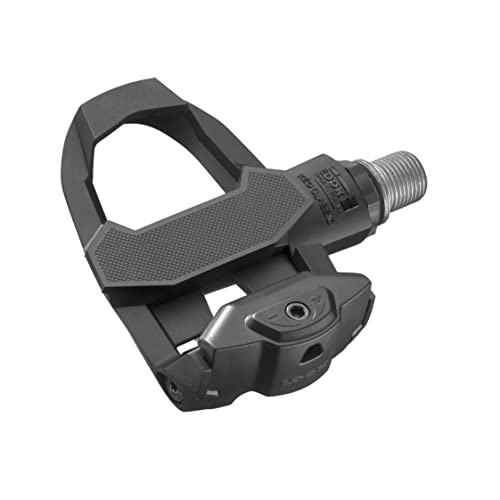
Not necessarily, but if rides exceed an hour or two, a saddle that suits your anatomy often makes the biggest difference to comfort. Pedals are a separate decision; see Best Beginner Road Bike Pedals: How to Choose the Right Pair for guidance on choosing them.
Do I need a bike computer?
It is optional. A basic computer helps you track distance, speed and time, which can motivate consistent riding. Beginner’s Guide to Bike Computers: Essential Features to Consider explains what to look for.
Final Verdict
For adults starting out in road cycling who want a comfortable, approachable and well-proportioned bike, the Triban women’s beginner road bike is a sensible choice. Its women-specific geometry, forgiving gearing and manageable weight make it well suited to fitness rides and steady progression. It is not a race bike, and it will not replace a higher-spec machine for riders who want to push performance hard. Measure carefully, test ride if you can, and budget for a helmet, a saddle check and basic maintenance tools. If that matches your plans, this is a practical first road bike. You can also browse the Triban option directly: View on Amazon.