
 By Caleb Morgan
Updated November 2026
Planning a cycling training plan touring program as a beginner means building fitness, learning to pack, and choosing routes you can actually ride. The right guide can shorten that learning curve considerably. The picks below were selected by reviewing product listings, publisher reputation, and common owner feedback patterns, with a focus on practical planning content, clarity for new riders, and how well each book covers training and logistics for multi-day rides.
Our top picks at a glance
- 1
 TOP CHOICEBest overallAdventure Cycle-Touring Handbook: Worldwide Cycling Route and Planning GuideView on Amazon
- 2
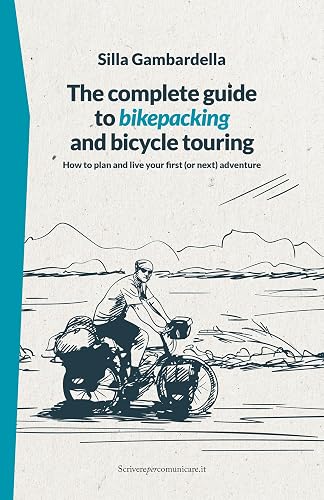 Best for bikepacking basicsThe complete guide to bikepacking and bicycle touring: How to plan andView on Amazon
- 3
 Best for European routesCycling Along Europe's Rivers: Bicycle Touring Made Easy and AffordableView on Amazon
- 4
 Best for visual learnersBasic Illustrated Bike Touring and BikepackingView on Amazon
Our Top Picks
Quick Comparison
| Product | Best for | Key feature |
|---|---|---|
| Adventure Cycle-Touring Handbook | Overall planning | Worldwide route guidance |
| The complete guide to bikepacking and bicycle touring | Bikepacking beginners | Step-by-step trip planning |
| Cycling Along Europe’s Rivers | European tours | River route planning |
| Basic Illustrated Bike Touring and Bikepacking | Visual learners | Illustrated how-to format |
Adventure Cycle-Touring Handbook: Worldwide Cycling Route and Planning Guide
Adventure Cycle-Touring Handbook: Worldwide Cycling Route & Planning Guide
Best for: overall planning and route selection
This is a good fit for riders who want a broad reference covering route choice, logistics, and the decisions that come before you pedal out the door. It suits readers who plan to build a multi-week training block toward a longer tour.
Pros
- Covers route planning across many regions
- Useful reference for pre-trip logistics
Cons
- Broad scope means less depth on any single region
The complete guide to bikepacking and bicycle touring: How to plan and live your first (or next) adventure
The complete guide to bikepacking and bicycle touring: How to plan and live your first (or next) adventure
Best for: bikepacking basics and gear setup
Best suited to newer riders who want to move from day rides to self-supported trips. It pairs well with a progressive training plan that adds distance and loaded riding each week.
Pros
- Clear structure for first-time tourers
- Practical coverage of packing and planning
Cons
- Less focus on region-specific route details
Cycling Along Europe’s Rivers: Bicycle Touring Made Easy and Affordable
Cycling Along Europe's Rivers: Bicycle Touring Made Easy and Affordable (European Cycle Touring)
Best for: planning European river routes
Aimed at riders who want flat-to-rolling river corridors as a first tour destination. It helps you judge daily distances and choose a route that matches your current fitness level.
Pros
- Focused route guidance for a specific region
- Good match for building distance gradually
Cons
- Limited use outside Europe
Basic Illustrated Bike Touring and Bikepacking
Basic Illustrated Bike Touring and Bikepacking (Basic Illustrated Series)
Best for: visual learners and quick reference
A good choice if you learn best from diagrams and short sections. It works as a companion to a written training plan, especially for packing layouts and bike setup.
Pros
- Illustrations make setup concepts easy to follow
- Short sections suit quick reference
Cons
- Less depth on training progression
Buying Guide
Scope of route planning
Decide whether you want a worldwide reference or a guide focused on one region. Regional books give more specific distances and terrain notes, while broad handbooks help if you are still choosing a destination. We also found 4 Best Free Indoor Cycling Training Plans for Beginners (2026) useful on this point.
Beginner-friendly structure
Look for chapters that move from day rides to loaded multi-day riding. A book that explains progression helps you avoid jumping too far, too fast.
Packing and bike setup
Good guides explain how weight distribution affects handling and how to fit gear on your frame. Check for practical checklists you can reuse on every trip.
Visual versus written content
Diagrams speed up understanding of setups and layouts, while longer text gives more planning detail. Choose the format that matches how you learn.
Good picks for this: Basic Illustrated Bike Touring and Bikepacking, Adventure Cycle-Touring Handbook
FAQ
How long should a beginner touring training plan run?
Many beginners build over six to eight weeks, adding distance and loaded riding gradually. Adjust the timeline based on your current weekly mileage and recovery. You may also like 3 Best Cycling Training Plan Books for Beginners (2026).
Do I need a specialized touring bike to start?
Not necessarily. Many riders start on a road or hybrid bike with a rear rack and panniers, then upgrade later if needed.
Should I consult a professional before a long tour?
If you have a medical condition or are returning from injury, consult a doctor or qualified coach before starting a demanding training plan.
Conclusion
For broad planning, the Adventure Cycle-Touring Handbook is a strong starting point. Choose the bikepacking guide for first self-supported trips, the European river book for a specific destination, and the illustrated guide if diagrams help you learn.
Sources
- Guidance on physical activity levels and building exercise gradually (cdc.gov)
- Bicycle safety tips and road-riding guidance (nhtsa.gov)
- Exercise training principles for progressive fitness development (acsm.org)
Related reading
- Triathlon Cycling Training Plan: A Step-by-Step Guide for Beginners
- Cycling Training Plan PDF Free: A Step-by-Step Guide for Beginners
- Cycling Strength Training Plan: 3 Best Options for Riders in 2026
- Beginner Cycling Training Plan: Your First Eight Weeks
- Beginner Road Bike Training: A Step-by-Step Plan for New Riders
About Caleb Morgan
Caleb Morgan is part of our editorial team and reviews and edits our cycling for beginners guides, checking product details against manufacturer specifications and owner feedback.



