
 By Caleb Morgan
Updated November 2026
A good training plan for cycling the Alps does more than add miles. It builds the climbing endurance, pacing discipline and leg strength needed to handle long passes at altitude. This list compares five books that cover structured training for cycling the Alps and similar mountain goals. The selection criteria were the clarity of the plan structure, whether the book suits a new or developing rider, how much it focuses on climbing and endurance, and the depth of its training science.
Our top picks at a glance
- 1
 TOP CHOICEBest overallYour Century Ride: A Training Plan for Achieving a Road Cycling GoalView on Amazon
- 2
 TOP CHOICEBest for interval workInterval Training for Cycling: From lab to racesView on Amazon
- 3
 TOP CHOICEBest for seasonal planning100 Indoor Cycling Plans by Season PhaseView on Amazon
- 4
 Best for the scienceScience of Cycling: Transform Your Ride, Gain Strength, Revolutionize Your TrainingView on Amazon
- 5
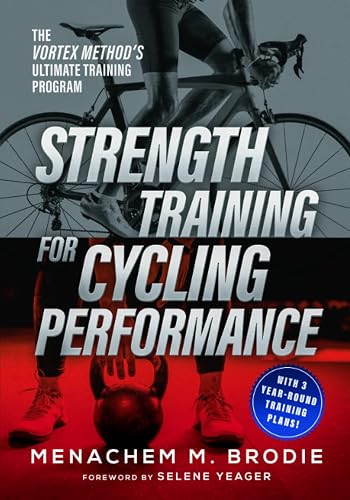 Best for leg strengthStrength Training for Cycling Performance: The Vortex Method's Ultimate Training ProgramView on Amazon
Our Top Picks
| Product | Best for | Key feature |
|---|---|---|
| Your Century Ride | Long-distance goal rides | Progressive weekly structure |
| Interval Training for Cycling | Building climbing power | Lab-based interval protocols |
| 100 Indoor Cycling Plans by Season Phase | Off-season and winter prep | Plans for multiple trainers |
| Science of Cycling | Riders who want the reasoning | Physiology explained clearly |
| Strength Training for Cycling Performance | Adding force to climbs | Off-bike strength program |
Your Century Ride: A Training Plan for Achieving a Road Cycling Goal
Your Century Ride: A Training Plan for Achieving a Road Cycling Goal
Best for: Long-distance goal rides
This book suits riders who have a specific event in mind and want a week-by-week path to it. Its goal-focused structure translates well to the long, sustained efforts that Alpine climbs demand.
Pros
- Clear progression toward a defined ride
- Emphasizes endurance and recovery balance
Cons
- Less focus on high-altitude specifics
Interval Training for Cycling: From lab to races
Interval Training for Cycling: From lab to races
Best for: Building climbing power
Riders who already have a base and want to raise their sustainable power on steep gradients will find this book useful. It explains how to structure intervals around race and climb demands.
Pros
- Practical interval templates
- Connects training to real racing demands
Cons
- Assumes some training experience
100 Indoor Cycling Plans by Season Phase
100 Indoor Cycling Plans by Season Phase: Structured cycling plans for smart trainers, classic trainers, spinbike or rollers. For Road, Gravel, MTB, and TT riders.
Best for: Off-season and winter prep
This is a good fit for riders who train indoors through the cold months and want to arrive at the Alps with a planned build. The plans work with smart trainers, classic trainers, spin bikes or rollers.
Pros
- Organized by season phase
- Works across several indoor setups
Cons
- Plans are generic rather than Alpine-specific
Science of Cycling: Transform Your Ride, Gain Strength, Revolutionize Your Training
Science of Cycling: Transform Your Ride, Gain Strength, Revolutionize Your Training (The Science of Fitness)
Best for: Riders who want the reasoning behind the plan
If you prefer to understand why a workout works before following it, this book is a strong choice. It is well suited to riders who plan to adapt their own training over time.
Pros
- Explains physiology in plain language
- Helps you adjust plans yourself
Cons
- Less of a ready-made weekly schedule
Strength Training for Cycling Performance: The Vortex Method’s Ultimate Training Program
Strength Training for Cycling Performance: The Vortex Method’s Ultimate Training Program
Best for: Adding force to climbs
Riders who feel their legs fade on long climbs may benefit from the off-bike strength work this program offers. It complements bike-focused training rather than replacing it.
Pros
- Focused strength routines for cyclists
- Fits alongside existing riding plans
Cons
- Requires gym or home equipment access
Buying Guide
Match the plan to your current fitness
A plan built for experienced riders can overwhelm someone with a few seasons of riding behind them. Check whether the book assumes you already know your threshold heart rate or power zones before you commit. If you are newer to structured training, start with the most gradual progression you can find.
Look for climbing and endurance emphasis
Alpine riding is mostly about sustained effort on long gradients. Choose books that cover aerobic base, climbing intervals and pacing rather than only sprint or criterium work. Mention of altitude or long-day endurance is a good sign.
Consider how much structure you want
Some riders want a dated, week-by-week schedule, while others prefer principles they can adapt. Decide which style will keep you consistent, since a plan you follow beats a better plan you abandon.
Check whether strength work is included
Leg strength supports climbing, but it should complement bike time rather than crowd it out. Decide whether you have room in your week for off-bike sessions before choosing a book that covers them.
Good picks for this: Your Century Ride and Strength Training for Cycling Performance
FAQ
How long should a training plan for cycling the Alps be?
Many riders build over 12 to 20 weeks, depending on current fitness and how much time they have. Longer lead times give more room for gradual climbing volume.
Do I need a power meter to follow an Alpine training plan?
It helps, but many plans also work with heart rate or perceived effort. Choose a book whose intensity guidance matches the tools you already own.
Related reading
- Womens Cycling Training Plan: 3 Best Options for Beginners in 2026
- Triathlon Cycling Training Plan: A Step-by-Step Guide for Beginners
- Top 5 Cycling Training Plan Touring Books for Beginners in 2026
About Caleb Morgan
Caleb Morgan is part of our editorial team and reviews and edits our cycling for beginners guides, checking product details against manufacturer specifications and owner feedback.


